Intraday Trading vs Long-Term Investing: Which Is Better?
One of the biggest debates in the stock market world is whether you should trade actively or invest for the long term. Social media is full of traders showing off their intraday profits, while legendary investors like Warren Buffett preach the power of patience. So which approach is actually better? Let us compare intraday trading and long-term investing to help you decide.
What Is Intraday Trading?
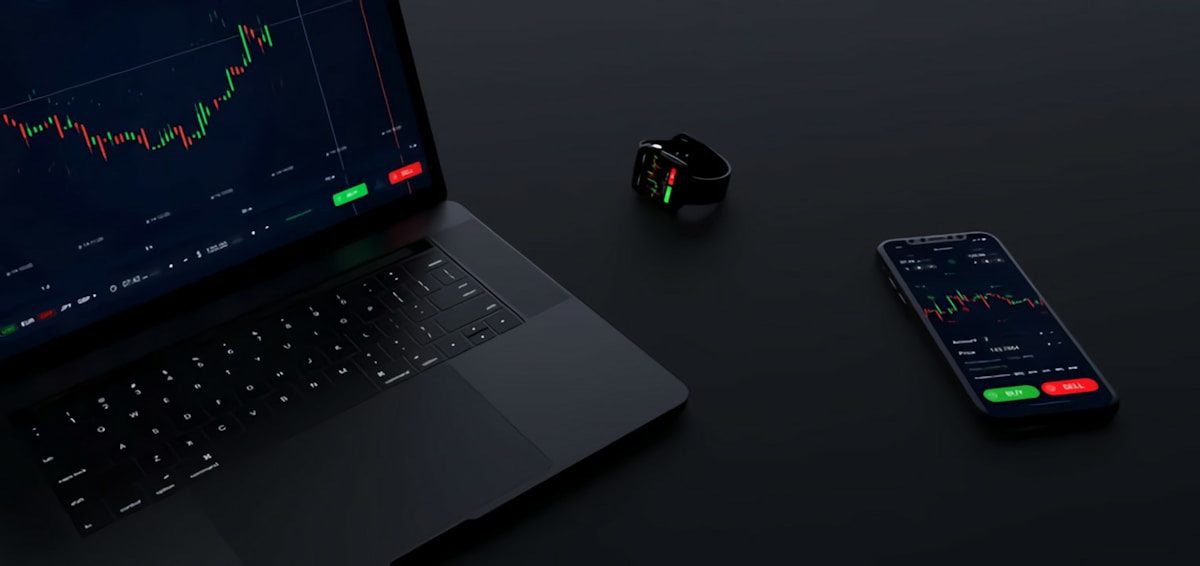
Intraday trading (also called day trading) means buying and selling stocks within the same trading day. You open a position in the morning and close it before the market shuts at 3:30 PM. The goal is to profit from small price movements during the day.
For example, if you buy 100 shares of a company at Rs 500 at 10 AM and sell them at Rs 510 at 2 PM, you make Rs 1,000 in profit (minus charges). Intraday traders may make dozens of such trades in a single day.
What Is Long-Term Investing?
Long-term investing means buying stocks and holding them for years — typically 3 years, 5 years, or even longer. The goal is to benefit from the company’s growth over time and the power of compounding.
For example, someone who bought shares of HDFC Bank in 2010 at around Rs 200 and held them until 2024 would have seen the price grow to over Rs 1,500 — a return of more than 650% over 14 years, plus dividends.
Key Differences Between the Two
| Aspect | Intraday Trading | Long-Term Investing |
|---|---|---|
| Time Horizon | Minutes to hours | Years to decades |
| Skill Required | Technical analysis, chart reading | Fundamental analysis, patience |
| Risk Level | Very high | Moderate |
| Time Commitment | Full-time during market hours | A few hours per month |
| Tax on Profits | Speculative income (taxed at slab rate) | LTCG at 12.5% above Rs 1.25 lakh |
| Capital Needed | Higher (with leverage) | Can start small |
The Reality of Intraday Trading
Here are some facts that most social media traders will not tell you:
- SEBI’s own study (2023) revealed that approximately 90% of individual traders in the F&O segment made losses. The numbers for intraday equity trading are similarly discouraging.
- Transaction costs eat into profits: Brokerage, STT, GST, exchange charges, and stamp duty add up quickly when you trade frequently.
- It is extremely stressful: Watching screens for hours, making split-second decisions, and dealing with losses takes a serious mental and emotional toll.
- It requires full-time dedication: You cannot effectively day trade while also running a business or doing a job.
- Leverage magnifies losses: Brokers offer 5x or even 10x leverage for intraday trades. While this can amplify gains, it can also wipe out your capital in minutes.
The Power of Long-Term Investing
Long-term investing has several advantages that make it suitable for most people:
- Compounding works in your favor: Even a 12% annual return turns Rs 1 lakh into Rs 3.1 lakh in 10 years and Rs 9.6 lakh in 20 years.
- Lower tax: Long-term capital gains (on shares held for more than 1 year) are taxed at just 12.5% for gains above Rs 1.25 lakh per year. Short-term gains are taxed at 20%.
- Less time-consuming: Once you research and buy good stocks, you only need to review your portfolio periodically.
- Emotional stability: Long-term investors are not affected by daily market noise. A bad day or week does not matter when your horizon is years.
- Historical evidence: The Nifty 50 has delivered approximately 12-14% annual returns over the past 20 years. Patient investors have been rewarded handsomely.
Which Is Better for You?
For the vast majority of people — especially self-employed professionals, small business owners, and beginners — long-term investing is the clear winner. Here is why:
- You probably do not have 6-7 hours a day to sit in front of trading screens.
- Your primary income comes from your business or profession, not from trading.
- The risk of losing significant capital through intraday trading can hurt your financial stability.
- Long-term investing aligns with wealth-building goals like retirement, children’s education, and buying a home.
Intraday trading might work for a small minority who have the skill, discipline, capital, and time to dedicate to it full-time. But even most professional traders recommend that beginners start with long-term investing.
A Balanced Approach
If you are still curious about trading, here is a sensible approach:
- Invest 90% or more of your stock market money in long-term holdings.
- Allocate no more than 10% for trading, and treat it as tuition money — you may lose it while learning.
- Never use borrowed money or leverage until you have years of experience.
The Bottom Line
Intraday trading looks glamorous, but the data shows that it destroys wealth for most retail participants. Long-term investing is boring by comparison, but it is the proven path to building real wealth. As the saying goes, “The stock market is a device for transferring money from the impatient to the patient.”
Bachatt is built for self-employed Indians who want to grow their wealth steadily, not gamble it away. Whether it is stocks, mutual funds, or other instruments, Bachatt helps you invest with discipline and clarity. Download Bachatt and start building your future.