How to Track Live Gold Prices in India

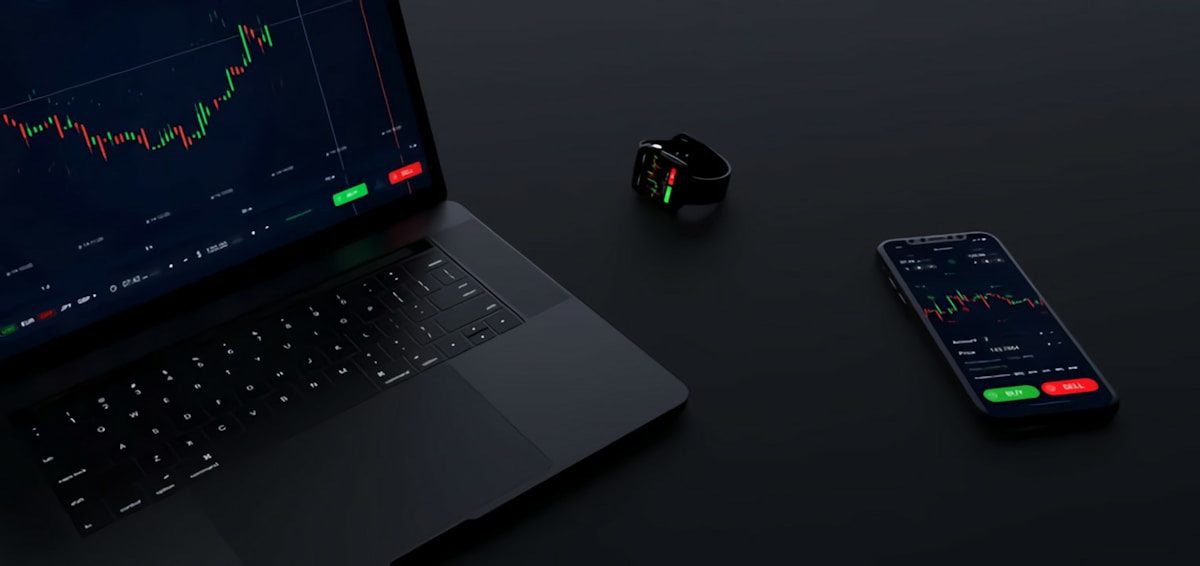
Whether you’re buying, selling, or simply monitoring your gold investment, tracking live gold prices is essential. Gold prices in India change multiple times a day based on international rates, the rupee-dollar exchange rate, and domestic demand. For self-employed investors looking to make informed decisions, here’s how to track gold prices accurately and in real time.
Understanding How Gold Prices Work in India
India doesn’t produce much gold domestically — nearly all gold is imported. The domestic gold price depends on three key factors:
- International gold price: Quoted in US dollars per troy ounce on global markets (London, New York, Shanghai).
- USD/INR exchange rate: Since gold is imported in dollars, a weaker rupee means higher gold prices in India.
- Import duty and GST: The government charges import duty (currently 6%) and GST (3%), which adds to the domestic price.
This means Indian gold prices can move differently from international prices — even if global gold is flat, a falling rupee can push domestic gold prices higher.
Method 1: Official Sources
IBJA (India Bullion and Jewellers Association)
IBJA publishes the official daily gold rate that most jewellers in India follow. They announce rates for 999 (24K), 995, 916 (22K), and 750 (18K) purity gold. Check their website at ibja.co or their official app. IBJA rates are typically published twice daily — once in the morning and once after international markets update.
MCX (Multi Commodity Exchange)
MCX is India’s leading commodity exchange where gold futures are traded. MCX gold prices are available during trading hours (9 AM to 11:30 PM) and reflect real-time market sentiment. You can check MCX prices on mcxindia.com or through any stock broker app that offers commodity trading.
Method 2: Investment and Trading Apps
Several apps provide live gold price tracking with charts and alerts:
- Bachatt: Track live 24K gold rates and invest simultaneously. Designed for India’s self-employed investors.
- Google Finance: Search “gold price” on Google for a quick live chart.
- Moneycontrol: Comprehensive commodity section with gold prices, charts, and news.
- ET Markets: Economic Times app with live MCX gold rates and analysis.
- Kite by Zerodha: If you have a Zerodha account, track MCX gold futures in real time.
Method 3: Set Up Price Alerts
Instead of checking prices manually, set up alerts to get notified when gold reaches your target price:
- Most trading apps (Zerodha, Groww, Angel One) allow you to set price alerts for MCX gold.
- Google Alerts can notify you about significant gold price movements.
- Financial news apps like Moneycontrol and ET Markets offer push notification alerts.
Price alerts are especially useful if you’re waiting for a dip to buy or want to sell when prices hit a certain level.
Method 4: Check Local Jeweller Rates
Local jeweller rates may differ from IBJA rates due to local demand-supply dynamics and the jeweller’s margin. Major jewellery chains like Tanishq, Malabar Gold, Kalyan Jewellers, and Joyalukkas publish their daily rates on their websites and apps. These rates are useful if you plan to buy physical gold jewellery.
Key Gold Price Metrics to Track
- 24K gold rate per gram: The benchmark for pure gold. Used for digital gold and investment gold pricing.
- 22K gold rate per gram: Relevant for jewellery purchases, as most Indian jewellery is 22K.
- Gold rate per 10 grams: The traditional Indian way of quoting gold prices in media.
- MCX Gold futures: Indicates market expectations for future gold prices.
- International spot price: The global benchmark in USD per troy ounce (1 troy ounce = 31.1 grams).
When Do Gold Prices Change?
Gold prices in India change throughout the day based on international market movements:
- 9:00 AM: MCX trading opens; domestic prices start updating.
- 1:30 PM: London markets open, often causing price movement.
- 6:30-7:00 PM: US markets open; this is when the most significant price movements typically happen.
- 11:30 PM: MCX trading closes for the day.
Tips for Using Gold Price Data
- Don’t obsess over daily prices: If you’re a long-term investor, checking weekly or monthly trends is sufficient.
- Understand buy vs sell price: The price you see quoted is usually the buy price. The sell (bid) price is 3-5% lower for digital gold.
- Compare sources: Different platforms may show slightly different prices. Use IBJA as the benchmark.
- Watch global cues: US Federal Reserve decisions, geopolitical tensions, and inflation data are the biggest drivers of gold prices.
Understanding the Buy-Sell Spread
When tracking gold prices, be aware that the price you see quoted is typically the buy price. The sell price is always lower. This difference is called the spread and it varies by platform and product. For digital gold, the spread is typically 3-5 percent. For Gold ETFs, the spread is much smaller at 0.1-0.5 percent due to exchange trading. For physical gold at jewellers, the effective spread can be 10-20 percent when you factor in making charges lost on resale. Understanding the spread helps you calculate the true cost of your gold investment and compare different gold products more accurately.
Track and Invest in Gold with Bachatt
Bachatt combines live gold price tracking with instant investment capability. See the real-time 24K gold price, track price trends, and buy gold — all in one app. Built for India’s 30 crore+ self-employed professionals, Bachatt makes gold investing as simple as checking your phone.
Download Bachatt today and stay on top of gold prices.